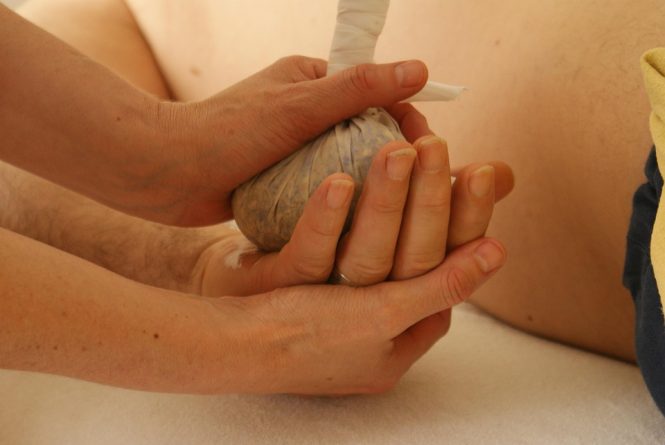
Hands-On Healing: The Therapeutic Benefits of Massage
In today’s fast-paced world, stress and anxiety have become an unfortunate norm for many individuals. The demands of modern life can take a toll on both physical and mental well-being, leading to a range of health issues. However, there is a simple yet effective way to alleviate these problems: massage therapy. This ancient practice has been used for centuries to promote relaxation, reduce pain, and improve overall health. In this article, we will explore the therapeutic benefits of massage and how it can be a valuable tool in maintaining a healthy and balanced lifestyle.
The Science of Massage
Massage therapy involves the manipulation of soft tissue, including muscles, tendons, and ligaments, to promote relaxation and reduce muscle tension. When a massage therapist applies gentle pressure to the body, it stimulates the release of endorphins, also known as “feel-good” hormones. These natural chemicals help to reduce pain, inflammation, and stress, while also promoting a sense of calm and well-being.
Physical Benefits of Massage
The physical benefits of massage are numerous and well-documented. Regular massage therapy can help to:
- Reduce muscle tension and pain: Massage can help to relax tight muscles, reducing pain and discomfort.
- Improve circulation: Massage can help to improve blood flow, which can aid in the delivery of oxygen and nutrients to the body’s tissues.
- Enhance flexibility: Massage can help to increase range of motion and reduce stiffness, making it easier to move and perform daily activities.
- Lower blood pressure: Regular massage therapy has been shown to lower blood pressure and reduce the risk of heart disease.
Mental and Emotional Benefits of Massage
In addition to its physical benefits, massage therapy can also have a profound impact on mental and emotional well-being. Massage can help to:
- Reduce stress and anxiety: The relaxation response triggered by massage can help to calm the mind and reduce feelings of stress and anxiety.
- Improve mood: The release of endorphins during massage can help to improve mood and reduce symptoms of depression.
- Enhance sleep: Massage can help to promote relaxation and reduce stress, making it easier to fall asleep and stay asleep.
- Increase self-awareness: Massage can help individuals tune into their bodies and develop a greater sense of self-awareness, leading to a more positive body image and improved self-esteem.
Types of Massage
There are many different types of massage, each with its own unique benefits and techniques. Some of the most common types of massage include:
- Swedish massage: A gentle, relaxing massage that involves long strokes and kneading.
- Deep tissue massage: A more intense massage that targets deeper layers of muscle and tissue.
- Sports massage: A specialized massage designed for athletes and individuals who engage in regular physical activity.
- Shiatsu massage: A form of Japanese massage that involves applying pressure to specific points on the body.
Conclusion
In conclusion, massage therapy is a powerful tool for promoting physical, mental, and emotional well-being. Whether you are seeking to reduce stress and anxiety, alleviate pain, or simply relax and unwind, massage can be a valuable addition to your self-care routine. With its numerous benefits and variety of techniques, massage therapy is an accessible and effective way to take control of your health and well-being. So why not give it a try? Your body – and mind – will thank you.