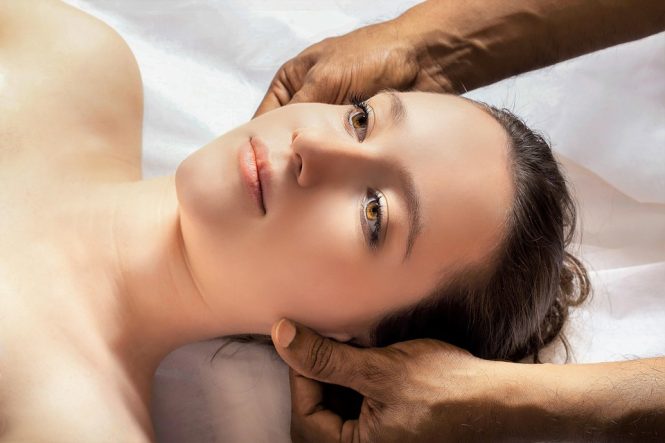
Massage has been a cornerstone of wellness and self-care across cultures and continents for centuries. From the ancient civilizations of Egypt and China to modern-day spas and wellness centers, massage has evolved to incorporate various techniques, philosophies, and traditions. In this article, we’ll embark on a journey to explore the diverse world of massage, highlighting its unique cultural expressions and techniques.
Ancient Roots: Egypt and China
In ancient Egypt, massage was a revered practice used for both therapeutic and spiritual purposes. Egyptians believed that massage could balance the body’s energy and promote overall well-being. The Ebers Papyrus, an ancient medical text, describes various massage techniques, including manipulations of the skin, muscles, and joints.
Similarly, in ancient China, massage was an integral part of traditional Chinese medicine. The practice of Tuina, which dates back over 2,000 years, combines massage, acupressure, and other manual therapies to restore balance to the body’s energy, or “qi.” Chinese massage techniques often involve deep tissue work, joint mobilization, and energy balancing.
Asian Influences: Japan, Thailand, and India
In Japan, massage is known as “Anma,” a practice that dates back to the 6th century. Anma combines gentle stretches, deep pressure, and manipulations to promote relaxation and relieve tension. The famous Japanese massage technique, “Shiatsu,” focuses on applying pressure to specific points along the body’s energy meridians to restore balance and harmony.
Thai massage, known as “Nuad Bo-Rarn,” is a unique and dynamic practice that combines yoga-like stretches, deep pressure, and manipulations. This vigorous and meditative practice aims to balance the body’s energy, improve flexibility, and promote overall well-being.
In India, the traditional practice of Ayurvedic massage, known as “Abhyanga,” emphasizes the use of warm oil and gentle strokes to nourish and balance the body’s energies. This holistic approach to massage is designed to promote relaxation, rejuvenation, and spiritual growth.
European and Latin American Traditions
In Europe, massage has a long history, with various techniques and traditions emerging over the centuries. The Swedish massage, developed in the 19th century, is a gentle and relaxing style that focuses on long strokes, kneading, and deep pressure. This popular technique is designed to promote relaxation, reduce muscle tension, and improve circulation.
In Latin America, massage is an integral part of traditional folk medicine. The Brazilian practice of “Massagem Brasileira” combines gentle strokes, deep pressure, and manipulations to promote relaxation and relieve tension. Similarly, the Mexican practice of “Sobada” emphasizes the use of warm oil and gentle strokes to nourish and balance the body’s energies.
Modern Innovations and Fusion
As massage continues to evolve, modern practitioners are incorporating new techniques and philosophies into their practice. Some popular modern styles include:
- Sports massage: A specialized technique designed to improve athletic performance, reduce injury, and enhance recovery.
- Deep tissue massage: A technique that targets the deeper layers of muscle and connective tissue to relieve pain and inflammation.
- Aromatherapy massage: A practice that combines essential oils with massage to promote relaxation, reduce stress, and improve mood.
- Lomi Lomi massage: A Hawaiian-style massage that incorporates long strokes, deep pressure, and manipulations to promote relaxation, balance, and spiritual growth.
Conclusion
Massage is a rich and diverse practice that reflects the unique cultural, philosophical, and traditional expressions of different societies. From ancient Egypt and China to modern-day innovations, massage has evolved to incorporate various techniques, styles, and approaches. As we continue to explore and appreciate the diversity of massage around the world, we can deepen our understanding of its transformative power and its potential to promote wellness, relaxation, and self-care. Whether you’re a seasoned practitioner or a curious beginner, the world of massage invites you to embark on a journey of discovery, exploration, and relaxation.