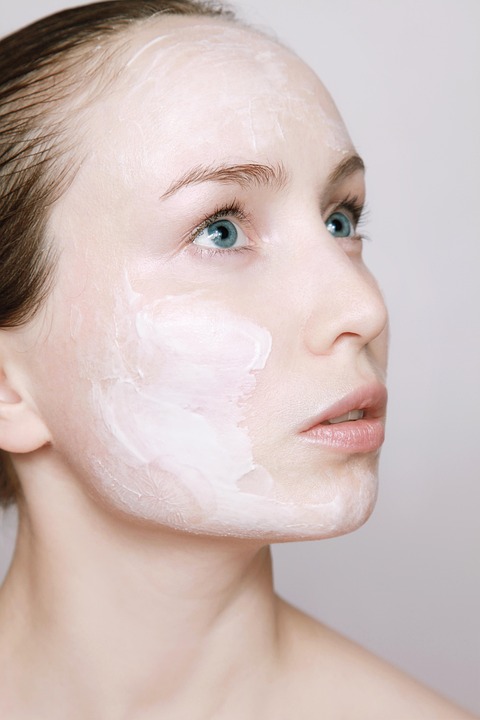
Moisturizer Myths Debunked: Separating Fact from Fiction in the World of Skincare
When it comes to skincare, moisturizers are often considered one of the most essential products in our daily routines. However, with the numerous options available and the constant influx of information, it can be challenging to separate fact from fiction. In this article, we will delve into the world of moisturizers and debunk some common myths, helping you make informed decisions about your skincare routine.
Myth 1: All Moisturizers Are the Same
One of the most significant misconceptions about moisturizers is that they are all created equal. The truth is, different moisturizers cater to various skin types, concerns, and needs. For instance, a moisturizer designed for dry skin may not be suitable for oily skin, and vice versa. Look for products that address your specific skin concerns, such as acne, aging, or hyperpigmentation.
Myth 2: Moisturizers Only Provide Hydration
While hydration is a crucial function of moisturizers, they offer many more benefits. A good moisturizer can help repair the skin’s barrier function, reduce inflammation, and even out skin tone. Some moisturizers also contain active ingredients like retinol, peptides, or vitamin C, which can provide additional anti-aging and brightening benefits.
Myth 3: You Should Apply Moisturizer Immediately After Showering
The idea that you should apply moisturizer immediately after showering is not entirely accurate. While it is true that applying moisturizer to damp skin can help lock in hydration, it’s essential to wait until your skin is mostly dry. Applying moisturizer to wet skin can lead to a greasy residue and reduce the product’s effectiveness.
Myth 4: Expensive Moisturizers Are Always Better
The price tag of a moisturizer does not always dictate its quality or effectiveness. Many affordable moisturizers can provide excellent hydration and benefits, while some high-end products may not live up to their claims. Look for products with proven ingredients and a well-designed formulation, rather than relying solely on the price.
Myth 5: You Don’t Need to Wear Moisturizer During the Day If You Have Oily Skin
Oily skin types often believe that they don’t need to wear moisturizer during the day, as it can exacerbate oiliness. However, this is not true. Even oily skin needs hydration, and using a lightweight, oil-free moisturizer can help regulate sebum production and reduce the appearance of pores.
Myth 6: Moisturizers Can Penetrate Deep Into the Skin
The notion that moisturizers can penetrate deep into the skin, addressing concerns like fine lines and wrinkles, is an exaggeration. While some ingredients can penetrate the skin to some extent, moisturizers primarily work on the skin’s surface, providing hydration and protection. For more profound benefits, consider using serums or treatments containing active ingredients that can penetrate deeper into the skin.
Myth 7: Natural Ingredients Are Always Better
The assumption that natural ingredients are always better than synthetic ones is not accurate. While natural ingredients can be beneficial, some synthetic ingredients can provide equal or even superior benefits. Look for products that combine the best of both worlds, using natural ingredients in conjunction with safe, effective synthetics.
Myth 8: You Should Use the Same Moisturizer All Year Round
The skin’s needs can change with the seasons, and using the same moisturizer all year round may not be the best approach. During the winter months, you may need a richer, more emollient moisturizer to combat dryness, while a lighter, oil-free moisturizer may be more suitable for the summer.
Conclusion
In conclusion, separating fact from fiction in the world of moisturizers is crucial for achieving optimal skincare results. By debunking these common myths, you can make informed decisions about your moisturizer choices and develop a more effective skincare routine. Remember to choose a moisturizer that addresses your specific skin concerns, apply it at the right time, and don’t be afraid to switch up your product as the seasons change. With a little knowledge and the right moisturizer, you can achieve healthy, glowing skin that looks and feels its best.