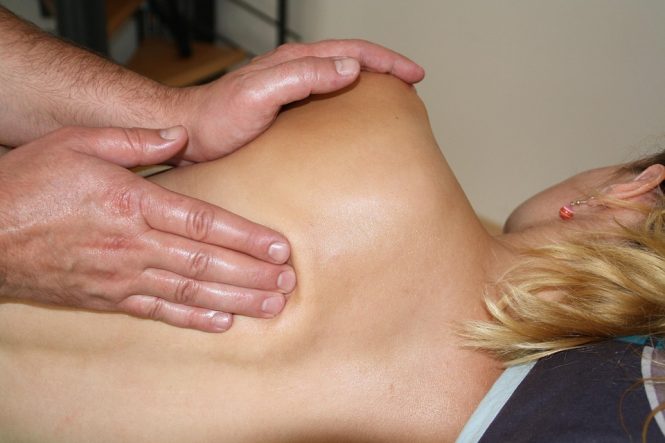
Massage Your Way to Better Health: Exploring the Therapeutic Effects of Bodywork
In today’s fast-paced world, stress and tension have become an unfortunate norm for many of us. Our bodies are designed to handle a certain amount of pressure, but when we’re constantly pushed to our limits, it can take a toll on our overall health and wellbeing. This is where massage therapy comes in – a holistic approach to healthcare that has been used for centuries to promote relaxation, reduce pain, and improve overall quality of life.
The Therapeutic Effects of Massage
Massage is more than just a luxury spa treatment; it’s a powerful tool that can have a profound impact on both physical and mental health. By manipulating soft tissue, massage therapists can help to:
- Reduce stress and anxiety: Massage has been shown to decrease the production of stress hormones like cortisol, leading to a sense of calm and relaxation.
- Relieve pain: Massage can help to reduce inflammation, improve range of motion, and break up scar tissue, making it an effective treatment for conditions like arthritis, fibromyalgia, and chronic back pain.
- Improve sleep: Regular massage can help regulate sleep patterns, leading to improved sleep quality, duration, and depth.
- Boost immune function: Massage has been shown to increase the production of white blood cells, which play a crucial role in fighting off infection and disease.
- Enhance athletic performance: Massage can help to improve flexibility, reduce muscle soreness, and promote recovery, making it a popular treatment among athletes.
Types of Massage Therapy
There are numerous types of massage therapy, each with its own unique benefits and techniques. Some of the most common forms of massage include:
- Swedish massage: A gentle, relaxing style of massage that involves long strokes, kneading, and tapping.
- Deep tissue massage: A more intense style of massage that targets the deeper layers of muscle and connective tissue.
- Sports massage: A specialized form of massage designed to help athletes prepare for and recover from competition.
- Shiatsu massage: A Japanese style of massage that involves applying pressure to specific points on the body to restore balance and harmony.
- Aromatherapy massage: A style of massage that incorporates essential oils to promote relaxation and reduce stress.
The Science Behind Massage
So, how does massage actually work? Research has shown that massage therapy can have a profound impact on the body’s physiological response to stress. When we experience stress, our body’s “fight or flight” response is triggered, leading to increased heart rate, blood pressure, and muscle tension. Massage helps to counteract this response by:
- Stimulating the parasympathetic nervous system: The parasympathetic nervous system is responsible for promoting relaxation, reducing stress, and slowing down heart rate.
- Releasing endorphins: Massage can stimulate the release of endorphins, which are natural painkillers that promote feelings of relaxation and wellbeing.
- Reducing inflammation: Massage can help to reduce inflammation, which is a major contributor to chronic pain and disease.
Incorporating Massage into Your Healthcare Routine
While massage is often viewed as a luxury treatment, it can be a valuable addition to your healthcare routine. Here are some tips for incorporating massage into your lifestyle:
- Schedule regular massage sessions: Aim to get a massage at least once a month, or as often as you need it.
- Find a qualified massage therapist: Look for a licensed massage therapist who has experience working with clients with needs similar to yours.
- Communicate with your therapist: Let your therapist know what you’re looking to get out of the massage, and be sure to communicate any areas of tension or discomfort.
- Practice self-massage techniques: There are many self-massage techniques you can practice at home, such as foam rolling or using a massage ball.
Conclusion
Massage therapy is a powerful tool that can have a profound impact on both physical and mental health. By reducing stress and anxiety, relieving pain, and improving sleep, massage can help to improve overall quality of life. Whether you’re an athlete looking to enhance performance, or simply someone looking to reduce stress and promote relaxation, massage is an excellent addition to any healthcare routine. So why not give it a try? Your body – and mind – will thank you.