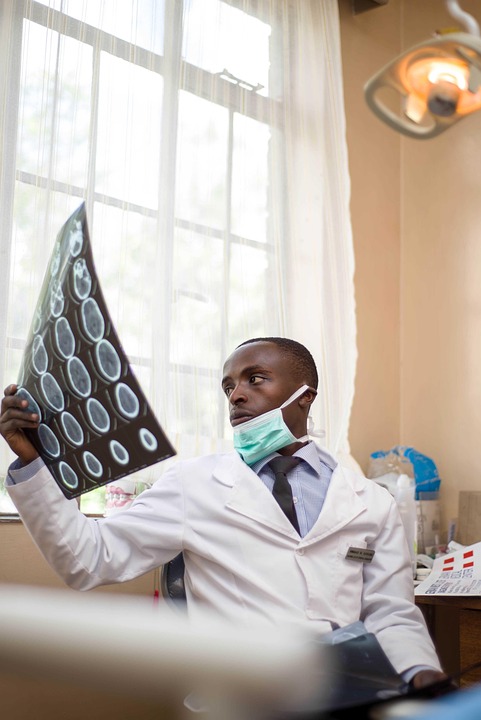
The Dentist’s Chair: Where Art and Science Meet
The dentist’s chair is often viewed as a place of anxiety and fear, but it is also a space where art and science converge. The intersection of these two disciplines is what makes dentistry a unique and fascinating field. On one hand, dentistry is a science that requires a deep understanding of human anatomy, physiology, and biology. On the other hand, it is an art that demands precision, creativity, and attention to detail.
The Science of Dentistry
Dentistry is a science that is rooted in the study of human oral health. It involves the diagnosis, treatment, and prevention of diseases and conditions that affect the teeth, gums, and surrounding tissues. Dentists use a range of scientific techniques, including radiography, microscopy, and molecular biology, to understand the underlying causes of oral health problems. They also employ evidence-based treatments, such as fillings, crowns, and implants, to restore teeth and promote oral health.
The Art of Dentistry
While science provides the foundation for dentistry, art plays a crucial role in the creation of beautiful and functional smiles. Dentists use their artistic skills to design and craft dental restorations, such as crowns, bridges, and dentures, that are not only functional but also aesthetically pleasing. They consider factors such as tooth color, shape, and alignment, as well as the overall appearance of the face and smile, to create a harmonious and natural-looking result.
The Intersection of Art and Science
The dentist’s chair is where art and science meet. It is a space where dentists use their scientific knowledge to diagnose and treat oral health problems, while also employing their artistic skills to create beautiful and functional smiles. The use of advanced technologies, such as digital imaging and computer-aided design, has further blurred the line between art and science in dentistry. These technologies enable dentists to create highly accurate and customized dental restorations that are both functional and aesthetically pleasing.
The Role of Technology
Technology has played a significant role in the evolution of dentistry, enabling dentists to provide more accurate, efficient, and effective treatments. Digital imaging technologies, such as cone beam computed tomography (CBCT) and intraoral scanners, allow dentists to create highly detailed and accurate models of the teeth and surrounding tissues. Computer-aided design and manufacturing (CAD/CAM) technologies enable dentists to design and craft customized dental restorations with precision and accuracy.
The Future of Dentistry
The future of dentistry is exciting and rapidly evolving. Advances in technologies, such as artificial intelligence and robotics, are expected to further transform the field. For example, AI-powered diagnostic tools may enable dentists to detect oral health problems earlier and more accurately, while robotic systems may assist with complex surgical procedures. The use of biometric materials and 3D printing technologies may also enable dentists to create highly customized and biomimetic dental restorations.
Conclusion
The dentist’s chair is a unique space where art and science meet. It is a place where dentists use their scientific knowledge to diagnose and treat oral health problems, while also employing their artistic skills to create beautiful and functional smiles. The intersection of art and science in dentistry has enabled the development of highly advanced and effective treatments, and it will continue to shape the future of the field. As technology continues to evolve and advance, we can expect to see even more exciting innovations in dentistry, further blurring the line between art and science.