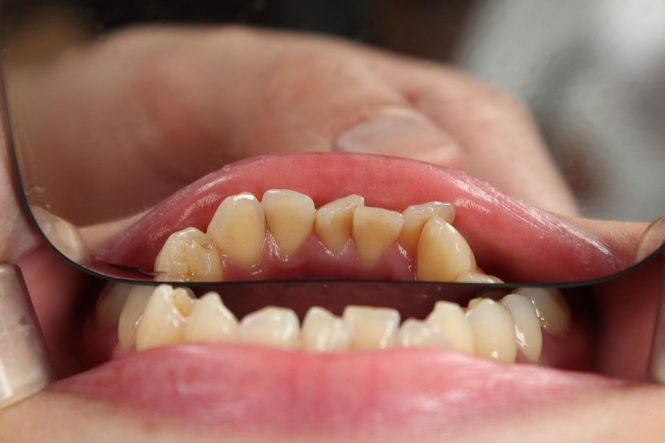
Gum Disease on the Rise: What You Need to Know
Gum disease, also known as periodontal disease, is a growing concern in the dental health community. According to recent studies, the prevalence of gum disease has increased significantly over the past few years, affecting millions of people worldwide. If left untreated, gum disease can lead to serious oral health problems, including tooth loss, bad breath, and even systemic diseases like diabetes and heart disease. In this article, we will discuss the causes, symptoms, and treatments of gum disease, as well as provide tips on how to prevent it.
What is Gum Disease?
Gum disease is a bacterial infection that affects the gums and bone supporting the teeth. It is caused by the accumulation of plaque, a sticky film of bacteria, on the teeth and gums. When plaque is not removed regularly, it can harden into tartar, which can only be removed by a dental professional. Tartar buildup can lead to inflammation and infection of the gums, causing them to pull away from the teeth and form pockets. As the disease progresses, the pockets deepen, and the bacteria can spread to the bone, causing it to deteriorate.
Causes of Gum Disease
Several factors contribute to the development of gum disease, including:
- Poor Oral Hygiene: Failure to brush and floss regularly can lead to the accumulation of plaque and tartar, increasing the risk of gum disease.
- Genetics: Some people may be more prone to gum disease due to their genetic makeup.
- Smoking: Smoking is a significant risk factor for gum disease, as it reduces blood flow to the gums and makes them more susceptible to infection.
- Hormonal Changes: Hormonal fluctuations during pregnancy, menopause, or puberty can increase the risk of gum disease.
- Certain Medications: Some medications, such as antidepressants and blood pressure medications, can increase the risk of gum disease.
- Systemic Diseases: Certain systemic diseases, such as diabetes and rheumatoid arthritis, can increase the risk of gum disease.
Symptoms of Gum Disease
The symptoms of gum disease can vary depending on the severity of the disease. Common symptoms include:
- Bleeding Gums: Gums that bleed easily when brushing or flossing are a sign of gum disease.
- Red, Swollen, or Tender Gums: Gums that are red, swollen, or tender to the touch may indicate gum disease.
- Bad Breath: Persistent bad breath can be a sign of gum disease.
- Loose Teeth: Teeth that are loose or shifting may be a sign of advanced gum disease.
- Pus or Discharge: Pus or discharge around the teeth and gums can indicate a severe infection.
Treatments for Gum Disease
The treatment of gum disease depends on the severity of the disease. Mild cases can be treated with:
- Professional Cleaning: A dental professional can remove plaque and tartar from the teeth and gums.
- Antibiotics: Antibiotics may be prescribed to treat bacterial infections.
- Deep Cleaning: Deep cleaning, also known as scaling and root planing, involves removing plaque and tartar from below the gum line.
More severe cases may require:
- Surgery: Surgical procedures, such as gum grafting or bone grafting, may be necessary to repair damaged gums and bone.
- Laser Therapy: Laser therapy can be used to remove infected tissue and promote healing.
- Dental Implants: In cases where teeth are lost due to gum disease, dental implants may be used to replace them.
Prevention is Key
Preventing gum disease is crucial to maintaining good oral health. Here are some tips to help prevent gum disease:
- Brush and Floss Regularly: Brush your teeth at least twice a day and floss once a day to remove plaque and bacteria.
- Visit Your Dentist Regularly: Regular dental checkups can help detect gum disease early, when it is easier to treat.
- Quit Smoking: Quitting smoking can significantly reduce the risk of gum disease.
- Maintain a Healthy Diet: A healthy diet rich in fruits, vegetables, and whole grains can help keep your teeth and gums healthy.
- Avoid Sugary and Acidic Foods: Sugary and acidic foods can contribute to tooth decay and gum disease.
In conclusion, gum disease is a growing concern that can have serious consequences if left untreated. By understanding the causes, symptoms, and treatments of gum disease, you can take steps to prevent it and maintain good oral health. Remember to brush and floss regularly, visit your dentist regularly, and make healthy lifestyle choices to keep your teeth and gums healthy for years to come.