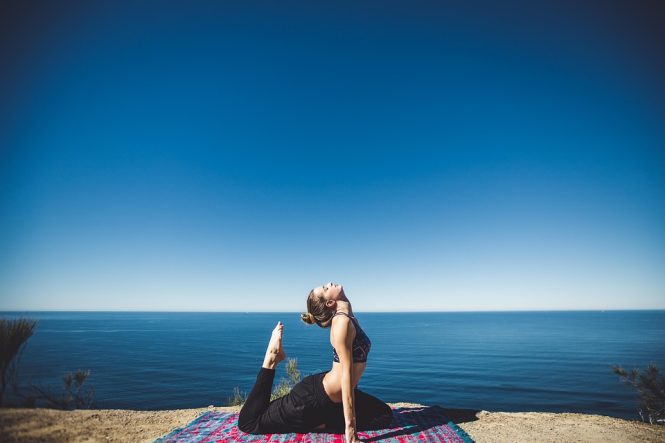
As we age, our bodies undergo a series of natural changes that can affect our physical fitness and overall health. Our metabolism slows down, our muscles lose mass and strength, and our bones become less dense, making us more prone to osteoporosis and fractures. However, with a combination of regular exercise, healthy eating, and lifestyle changes, it is possible to stay active and healthy as we get older.
The Importance of Fitness as We Age
Regular exercise is essential for maintaining physical function and independence as we age. It can help to:
- Improve balance and reduce the risk of falls
- Increase muscle mass and strength
- Boost bone density and reduce the risk of osteoporosis
- Enhance cardiovascular health and reduce the risk of chronic diseases such as heart disease, diabetes, and certain types of cancer
- Improve mental health and reduce the risk of depression and anxiety
Types of Exercise Suitable for Older Adults
As we age, it’s essential to choose exercises that are low-impact, gentle on the joints, and tailored to our individual fitness levels. Some examples of exercises suitable for older adults include:
- Brisk walking
- Swimming or water aerobics
- Cycling
- Yoga or Pilates
- Tai chi or other balance exercises
- Resistance band exercises or light weightlifting
Tips for Staying Active and Healthy as You Get Older
- Consult with your doctor: Before starting any new exercise program, it’s essential to consult with your doctor, especially if you have any underlying health conditions or concerns.
- Start slowly: Begin with short, gentle exercises and gradually increase the intensity and duration as you become more comfortable.
- Find an exercise buddy: Exercising with a friend or family member can help to keep you motivated and accountable.
- Incorporate strength training: Resistance exercises can help to build muscle mass and strength, which is essential for maintaining physical function as we age.
- Stay flexible: Incorporate stretching exercises into your routine to improve flexibility and range of motion.
- Get enough sleep: Aim for 7-9 hours of sleep per night to help your body recover from the day’s activities.
- Eat a balanced diet: Focus on whole, nutrient-dense foods such as fruits, vegetables, whole grains, lean proteins, and healthy fats.
- Stay hydrated: Drink plenty of water throughout the day to stay hydrated and help your body function at its best.
Overcoming Barriers to Exercise
Many older adults face barriers to exercise, such as lack of time, energy, or motivation. However, with a little creativity and planning, it’s possible to overcome these barriers and stay active and healthy. Some strategies include:
- Schedule exercise into your daily routine: Treat exercise as a non-negotiable part of your daily routine, just like brushing your teeth or taking a shower.
- Find exercises that you enjoy: Experiment with different types of exercise until you find something that you enjoy and look forward to.
- Join a fitness class or group: Exercising with others can help to keep you motivated and accountable.
- Use online resources or fitness apps: Take advantage of online resources or fitness apps that offer exercise routines, tutorials, and motivation.
Conclusion
Aging and fitness are closely linked, and regular exercise is essential for maintaining physical function and independence as we get older. By choosing low-impact exercises, incorporating strength training and flexibility exercises, and making lifestyle changes such as getting enough sleep and eating a balanced diet, we can stay active and healthy as we age. Remember to consult with your doctor, start slowly, and find exercises that you enjoy to make exercise a sustainable and enjoyable part of your daily routine. With a little creativity and planning, it’s possible to overcome barriers to exercise and stay active and healthy as we get older.