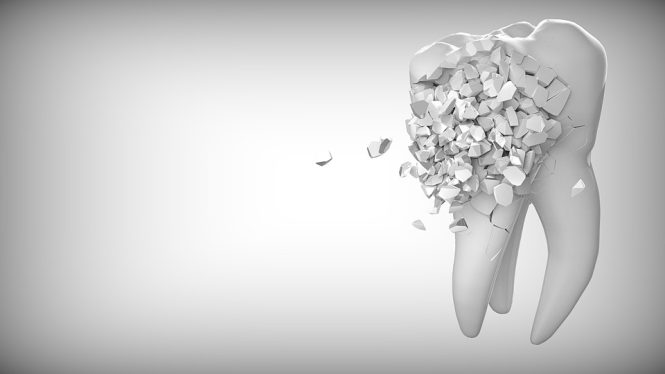
Dental disasters can be a nightmare for patients and dentists alike. While rare, they can have severe consequences, causing physical and emotional trauma, financial burden, and a loss of trust in the dental profession. In this article, we will explore some of the most common dental disasters, their causes, and what can be done to prevent them.
1. Anesthesia-Related Complications
Anesthesia is a crucial aspect of dental care, helping to alleviate pain and discomfort during procedures. However, when administered incorrectly, it can lead to serious complications, including numbness, tingling, and even permanent nerve damage. In severe cases, anesthesia-related complications can cause respiratory depression, cardiac arrest, or even death.
2. Infection and Abscesses
Infections and abscesses are common dental disasters that can occur due to poor oral hygiene, inadequate sterilization, or contaminated equipment. If left untreated, these infections can spread to other parts of the body, causing life-threatening conditions such as sepsis or endocarditis.
3. Instrument Breakage
Dental instruments, such as drills and needles, can break during procedures, causing physical trauma and emotional distress. Broken instruments can become lodged in the patient’s mouth, gums, or teeth, requiring additional surgery or procedures to remove.
4. Wrong Site Surgery
Wrong site surgery is a devastating dental disaster where the wrong tooth or area of the mouth is operated on. This can result in unnecessary pain, expense, and damage to healthy teeth or tissues.
5. Dental Implant Failures
Dental implant failures can occur due to various reasons, including poor implant placement, inadequate bone density, or infection. Failed implants can cause significant pain, discomfort, and financial losses, as well as the need for additional surgery to remove the failed implant.
6. Root Canal Disasters
Root canal procedures can go wrong if the dentist fails to properly clean and disinfect the canal, leading to infection or abscesses. Inadequate filling or sealing of the canal can also cause issues, such as pain, swelling, or tooth loss.
7. Extraction Complications
Tooth extractions can be a dental disaster if not performed correctly. Complications such as dry socket, infection, or damage to surrounding teeth or tissues can occur, causing significant pain and discomfort.
Preventing Dental Disasters
While dental disasters can be unpredictable, there are steps that patients and dentists can take to minimize their risk:
- Choose a qualified dentist: Research and select a dentist with a good reputation, experience, and qualifications.
- Follow proper oral hygiene: Regular brushing, flossing, and dental check-ups can help prevent many dental disasters.
- Communicate with your dentist: Inform your dentist about any concerns, medical conditions, or allergies to ensure safe and effective treatment.
- Verify equipment and sterilization: Ensure that your dentist uses proper equipment and follows strict sterilization protocols to prevent infection.
- Get a second opinion: If you’re unsure about a procedure or treatment plan, seek a second opinion from another qualified dentist.
Conclusion
Dental disasters can have severe consequences, but by understanding the risks and taking steps to prevent them, patients and dentists can minimize their occurrence. Remember to choose a qualified dentist, follow proper oral hygiene, communicate with your dentist, verify equipment and sterilization, and get a second opinion when necessary. By working together, we can reduce the risk of dental disasters and ensure safe, effective, and successful dental care.