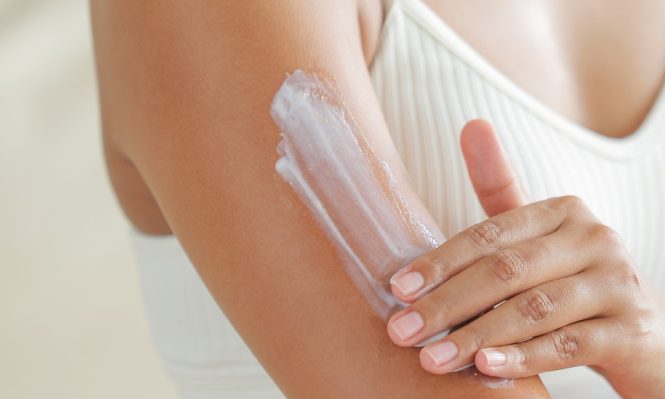
Hydrate and Glow: The Science Behind Moisturizers and Their Impact on Skin Health
When it comes to achieving healthy, radiant skin, moisturizers play a vital role. These topical creams, lotions, and serums have been a staple in skincare routines for centuries, providing a barrier against environmental stressors, locking in moisture, and nourishing the skin. But have you ever wondered what makes moisturizers so effective? In this article, we’ll delve into the science behind moisturizers, exploring their composition, functions, and impact on skin health.
The Structure of the Skin
To understand how moisturizers work, it’s essential to grasp the basic structure of the skin. The skin consists of multiple layers, with the outermost layer being the stratum corneum. This layer is composed of dead skin cells held together by lipids, which help to prevent water loss and maintain the skin’s natural barrier function. However, various factors such as harsh weather conditions, pollution, and aging can disrupt this barrier, leading to dryness, irritation, and other skin concerns.
The Role of Moisturizers
Moisturizers are designed to replenish and reinforce the skin’s natural barrier function. They typically contain a combination of ingredients, including:
- Humectants: Attract and retain moisture in the skin, such as hyaluronic acid, glycerin, and sorbitol.
- Emollients: Fill gaps between skin cells, smoothing out rough patches and improving texture, such as ceramides, fatty acids, and cholesterol.
- Occlusives: Create a physical barrier on the skin’s surface, preventing water loss and protecting against environmental stressors, such as petrolatum, dimethicone, and silicones.
By combining these ingredients, moisturizers provide a comprehensive approach to skin hydration and protection.
How Moisturizers Work
When applied to the skin, moisturizers undergo a series of complex interactions. Here’s a step-by-step breakdown of the process:
- Penetration: The moisturizer is absorbed into the skin, with the rate of penetration depending on the molecular weight and solubility of the ingredients.
- Distribution: The ingredients are distributed throughout the skin, with humectants attracting moisture, emollients filling gaps between skin cells, and occlusives forming a barrier on the skin’s surface.
- Hydration: The skin’s natural moisture barrier is replenished, with water molecules binding to humectants and being retained in the skin.
- Repair: The skin’s barrier function is reinforced, with emollients and occlusives helping to repair and restore the skin’s natural lipid layer.
The Impact on Skin Health
The effects of moisturizers on skin health are multifaceted and far-reaching. By providing a barrier against environmental stressors, locking in moisture, and nourishing the skin, moisturizers can:
- Improve skin hydration: Moisturizers help to maintain the skin’s natural moisture barrier, reducing the appearance of fine lines and wrinkles, and leaving the skin feeling soft and supple.
- Reduce inflammation: Some moisturizers contain anti-inflammatory ingredients, which can help to soothe and calm irritated skin, reducing redness and discomfort.
- Enhance skin elasticity: By replenishing the skin’s natural lipid layer, moisturizers can improve skin elasticity, making it more resilient to stretching and contracting.
- Protect against environmental stressors: Moisturizers can help to shield the skin from pollution, UV radiation, and other environmental stressors, which can cause damage and accelerate aging.
Conclusion
In conclusion, moisturizers are a crucial component of any skincare routine, providing a comprehensive approach to skin hydration and protection. By understanding the science behind moisturizers, we can appreciate the complex interactions between ingredients and the skin, and make informed choices about the products we use. Whether you’re looking to improve skin hydration, reduce inflammation, or enhance skin elasticity, there’s a moisturizer out there to suit your needs. So, go ahead, hydrate, and glow – your skin will thank you!