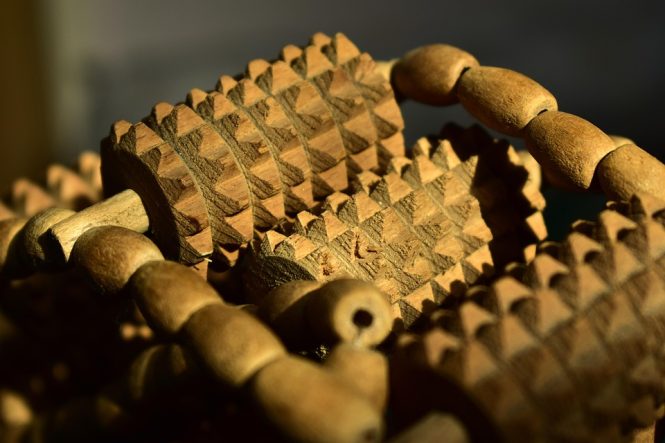
The Massage Paradox: How Pain Can Lead to Pleasure and Relaxation
Massage therapy has long been recognized as a effective way to relax and rejuvenate the body. However, there is a paradox at the heart of massage that may seem counterintuitive: pain can often be a necessary precursor to pleasure and relaxation. This phenomenon, known as the massage paradox, refers to the idea that the application of pressure or discomfort during a massage can ultimately lead to a state of deep relaxation and reduced muscle tension.
To understand the massage paradox, it’s essential to consider the physiology of muscle tissue. When muscles are subjected to stress, injury, or overuse, they can become knotted and inflamed, leading to pain and stiffness. Massage therapy works by applying pressure to these affected areas, which can help to break up adhesions and scar tissue, and promote blood flow and oxygenation. However, this process can be uncomfortable, even painful, especially if the therapist is working on a particularly sensitive or damaged area.
Despite the initial discomfort, the application of pressure during a massage can trigger a range of physiological responses that ultimately lead to relaxation and reduced pain. One of the primary mechanisms at play is the release of endorphins, the body’s natural painkillers. When pressure is applied to an affected area, it can stimulate the release of endorphins, which can help to reduce pain and promote a sense of well-being.
Another key factor in the massage paradox is the concept of “gate control theory.” This theory, first proposed in the 1960s, suggests that the application of pressure to an affected area can close the “gates” to the brain, effectively blocking the transmission of pain signals. As the pressure is applied, the brain becomes distracted from the pain, and the sensation of discomfort is replaced by a sense of relaxation and calm.
In addition to the physiological responses, the massage paradox can also be influenced by psychological factors. The act of receiving a massage can be a profoundly intimate and vulnerable experience, requiring the client to surrender to the therapist’s touch and trust in their expertise. This surrender can be deeply relaxing, as the client lets go of tension and allows themselves to be worked on. The paradox lies in the fact that the initial discomfort or pain can be a necessary step in the process of surrender, allowing the client to ultimately relax and release tension.
The massage paradox is not unique to massage therapy, and can be observed in other forms of bodywork, such as acupuncture, physical therapy, and even exercise. In each of these modalities, the application of pressure, discomfort, or challenge can ultimately lead to a state of increased relaxation, reduced pain, and improved overall well-being.
In conclusion, the massage paradox highlights the complex and often counterintuitive relationship between pain and pleasure. While it may seem illogical that pain could lead to relaxation and pleasure, the physiological and psychological mechanisms at play during a massage demonstrate that this is indeed the case. By embracing the massage paradox, we can gain a deeper understanding of the ways in which our bodies respond to pressure, discomfort, and touch, and ultimately cultivate a greater sense of relaxation, well-being, and overall health.
As we navigate the complexities of the massage paradox, it’s essential to approach the experience with an open mind and a willingness to surrender to the process. By doing so, we can unlock the full potential of massage therapy, and discover the profound relaxation and pleasure that can arise from the application of pressure and discomfort. Whether you’re a seasoned massage enthusiast or just starting to explore the benefits of bodywork, the massage paradox offers a fascinating glimpse into the intricate workings of the human body, and the ways in which we can cultivate deep relaxation, reduced pain, and overall well-being.