The Power of Touch: How Massage Therapy Can Improve Mental Wellbeing
In today’s fast-paced world, it’s easy to neglect our mental wellbeing. With increasing demands on our time and energy, stress and anxiety can quickly take hold, leading to a decline in our overall mental health. However, there is a simple yet powerful tool that can help alleviate these issues: massage therapy. The power of touch has long been recognized as a potent healer, and research has shown that massage therapy can have a profound impact on our mental wellbeing.
The Science Behind Massage Therapy
Massage therapy works by stimulating the body’s natural relaxation response, which counteracts the effects of stress and anxiety. When we experience stress, our body’s “fight or flight” response is triggered, releasing hormones like cortisol and adrenaline into our system. These hormones prepare our body to respond to the perceived threat, but they can also have a negative impact on our mental health if left unchecked.
Massage therapy helps to calm the nervous system, reducing the production of stress hormones and promoting the release of neurotransmitters like serotonin and dopamine, which are associated with feelings of relaxation and happiness. This can lead to a range of benefits, including reduced anxiety and depression, improved mood, and enhanced sleep quality.
The Benefits of Massage Therapy for Mental Wellbeing
- Reduces Stress and Anxiety: Massage therapy has been shown to reduce cortisol levels, heart rate, and blood pressure, all of which are indicators of stress and anxiety.
- Improves Mood: The release of neurotransmitters like serotonin and dopamine during massage therapy can help improve mood, reducing symptoms of depression and anxiety.
- Enhances Sleep: Massage therapy can help regulate sleep patterns, leading to improved sleep quality and duration.
- Increases Feelings of Relaxation: Massage therapy can help individuals feel more relaxed and calm, reducing muscle tension and promoting a sense of wellbeing.
- Boosts Self-Esteem: Massage therapy can help individuals develop a more positive body image, leading to increased self-esteem and confidence.
Types of Massage Therapy
There are many different types of massage therapy, each with its own unique benefits and techniques. Some of the most common types of massage therapy include:
- Swedish Massage: A gentle, relaxing massage that involves long strokes, kneading, and tapping.
- Deep Tissue Massage: A more intense massage that targets specific areas of tension, using slow, deliberate strokes.
- Aromatherapy Massage: A massage that incorporates essential oils to promote relaxation and reduce stress.
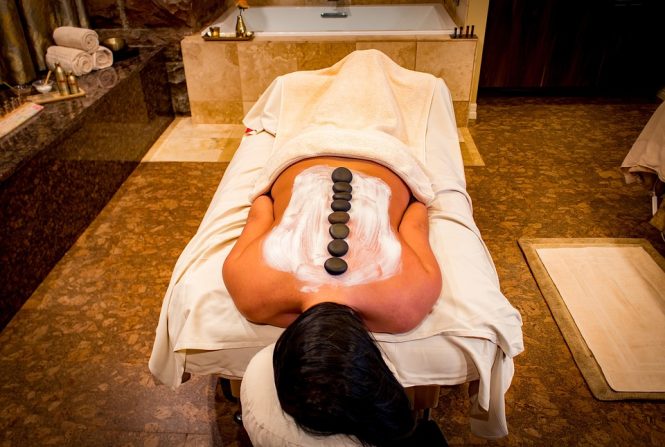
- Hot Stone Massage: A massage that uses heated stones to relax muscles and promote circulation.
How to Incorporate Massage Therapy into Your Life
Incorporating massage therapy into your life can be simple and convenient. Here are a few tips:
- Schedule Regular Massages: Aim to schedule a massage at least once a month, or more often if you’re experiencing high levels of stress and anxiety.
- Try Self-Massage Techniques: There are many self-massage techniques you can try at home, such as foam rolling or using a massage ball.
- Find a Qualified Therapist: Look for a licensed massage therapist who has experience working with clients with mental health concerns.
- Make it a Part of Your Self-Care Routine: Incorporate massage therapy into your self-care routine, along with other activities like meditation, yoga, and exercise.
Conclusion
The power of touch is a potent tool in the pursuit of mental wellbeing. Massage therapy has been shown to have a profound impact on our mental health, reducing stress and anxiety, improving mood, and enhancing sleep quality. By incorporating massage therapy into our lives, we can take a proactive approach to managing our mental wellbeing, leading to a happier, healthier, and more balanced life. So why not give it a try? Book a massage today and experience the power of touch for yourself.