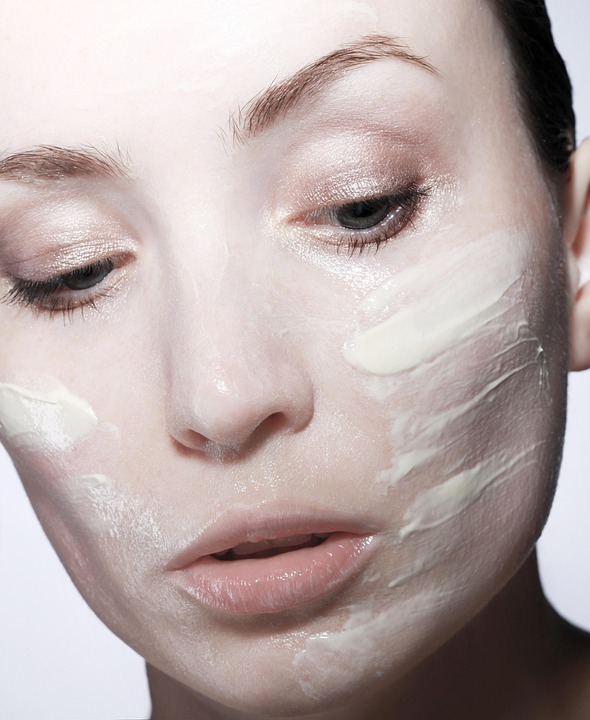
The Ultimate Moisturizer Guide: Finding the Perfect Hydrator for Your Skin Type
When it comes to skincare, moisturizing is one of the most important steps in maintaining healthy, hydrated, and radiant skin. With so many moisturizers on the market, it can be overwhelming to choose the right one for your skin type. In this article, we’ll break down the different skin types, discuss the key ingredients to look for, and provide a comprehensive guide to finding the perfect moisturizer for your skin.
Understanding Your Skin Type
Before selecting a moisturizer, it’s essential to understand your skin type. There are five primary skin types: normal, dry, oily, combination, and sensitive.
- Normal Skin: Balanced skin with a smooth texture, small pores, and a natural glow.
- Dry Skin: Tight, flaky, and prone to irritation, with visible fine lines and wrinkles.
- Oily Skin: Shiny, greasy, and prone to acne, with large pores and a tendency to look dull.
- Combination Skin: A mix of oily and dry skin, with an oily T-zone (forehead, nose, and chin) and dry cheeks.
- Sensitive Skin: Reacts easily to products, with redness, itching, and stinging.
Key Ingredients to Look For
When searching for a moisturizer, look for the following key ingredients that cater to your skin type:
- Hyaluronic Acid: Attracts and retains moisture, perfect for dry and dehydrated skin.
- Glycerin: Humectant that helps retain moisture and soothe dry skin.
- Ceramides: Repairs and restores the skin’s barrier function, ideal for dry and sensitive skin.
- Niacinamide: Improves skin elasticity, reduces inflammation, and enhances skin brightness.
- Salicylic Acid: Exfoliates and unclogs pores, suitable for oily and acne-prone skin.
- Tea Tree Oil: Anti-inflammatory and antibacterial properties, beneficial for acne-prone skin.
- Vitamin E: Antioxidant that protects the skin from environmental stressors and promotes collagen production.
Moisturizer Types
Moisturizers come in various forms, including:
- Creams: Rich and thick, ideal for dry and sensitive skin.
- Lotions: Lightweight and non-greasy, suitable for normal and combination skin.
- Gels: Oil-free and refreshing, perfect for oily skin.
- Serums: Concentrated and fast-absorbing, great for all skin types.
- Butters: Thick and nourishing, often used for dry and sensitive skin.
Finding the Perfect Moisturizer
To find the perfect moisturizer for your skin type, follow these steps:
- Identify your skin type: Determine your skin type based on its characteristics and concerns.
- Look for key ingredients: Choose a moisturizer that contains ingredients that cater to your skin type and concerns.
- Consider your lifestyle: If you have an active lifestyle or live in a polluted area, look for a moisturizer with antioxidant properties.
- Read reviews and ingredient labels: Research the product and read reviews from users with similar skin types to ensure it’s effective and safe.
- Patch test: Apply a small amount of the moisturizer to a discrete area of your skin to check for any adverse reactions.
Recommended Moisturizers for Each Skin Type
Here are some recommended moisturizers for each skin type:
- Normal Skin: Cetaphil Moisturizing Cream or Neutrogena Hydro Boost Water Gel
- Dry Skin: CeraVe Moisturizing Cream or Laneige Water Bank Moisturizing Cream
- Oily Skin: La Roche-Posay Toleriane Ultra Fluid or Dermalogica Daily Moisturizing Cream
- Combination Skin: Olay Regenerist Micro-Sculpting Cream or Garnier Skin Renew Dark Spot Treatment
- Sensitive Skin: Vanicream Moisturizing Skin Cream or Avene Skin Recovery Cream
Conclusion
Finding the perfect moisturizer for your skin type is a process that requires patience, research, and understanding of your skin’s unique needs. By identifying your skin type, looking for key ingredients, and considering your lifestyle, you can find a moisturizer that hydrates, nourishes, and protects your skin. Remember to patch test, read reviews, and seek advice from a dermatologist if you’re unsure. With the right moisturizer, you’ll be on your way to achieving healthy, radiant, and glowing skin.