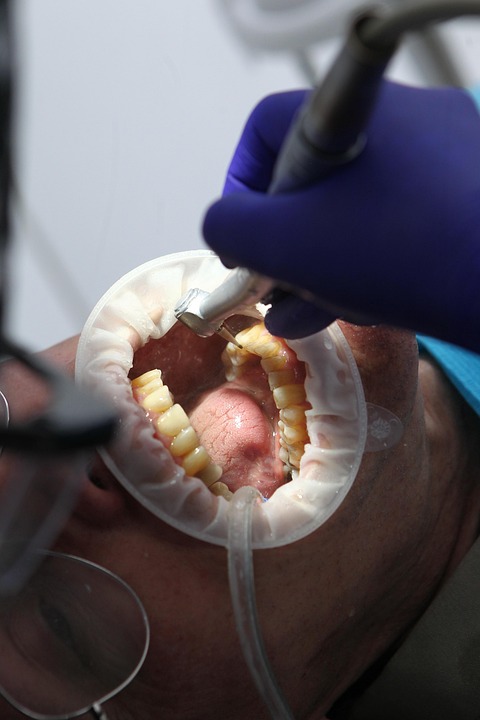
Toothache Troubles: What to Do When You Have a Dental Emergency
A toothache can be a debilitating and painful experience, leaving you feeling miserable and unable to focus on daily activities. Whether it’s a sharp, stabbing pain or a dull, throbbing ache, a toothache can be a sign of a more serious underlying issue that requires immediate attention. In this article, we’ll explore what to do when you have a dental emergency, including the common causes of toothaches, symptoms to look out for, and steps to take to alleviate the pain and prevent further complications.
Common Causes of Toothaches
Toothaches can be caused by a variety of factors, including:
- Tooth decay: Bacteria in the mouth can cause cavities, leading to toothaches.
- Gum disease: Inflammation of the gums can cause pain and discomfort.
- Cracked or broken teeth: A cracked or broken tooth can expose the pulp, leading to pain and sensitivity.
- Abscesses: Bacterial infections can cause abscesses, which can lead to severe pain and swelling.
- Grinding or clenching: Grinding or clenching your teeth can cause wear and tear on the enamel, leading to pain and sensitivity.
Symptoms to Look Out For
If you’re experiencing any of the following symptoms, it’s essential to seek dental attention as soon as possible:
- Severe pain: If the pain is severe and persistent, it’s a sign of a more serious underlying issue.
- Sensitivity: If your teeth are sensitive to hot or cold temperatures, it could be a sign of a cracked or decayed tooth.
- Swelling: Swelling of the face, gums, or lips can be a sign of an abscess or infection.
- Fever: A fever can be a sign of a bacterial infection.
- Bad breath: Persistent bad breath can be a sign of an underlying dental issue.
What to Do in a Dental Emergency
If you’re experiencing a dental emergency, follow these steps:
- Call your dentist: If you have a regular dentist, call them first to see if they can fit you in for an emergency appointment.
- Visit an urgent care center: If your dentist is unavailable, visit an urgent care center or emergency room.
- Use over-the-counter pain relief: Over-the-counter pain relievers such as ibuprofen or acetaminophen can help alleviate pain and discomfort.
- Apply a cold compress: A cold compress can help reduce swelling and ease pain.
- Avoid certain foods: Avoid eating or drinking anything that may exacerbate the pain, such as hot or cold foods and drinks.
Preventing Toothaches
While toothaches can be unpredictable, there are steps you can take to prevent them:
- Practice good oral hygiene: Brushing and flossing regularly can help prevent tooth decay and gum disease.
- Visit your dentist regularly: Regular check-ups can help identify potential issues before they become serious.
- Avoid sugary and acidic foods: Sugary and acidic foods can contribute to tooth decay and erosion.
- Wear a mouthguard: If you participate in sports or activities that may cause tooth damage, wear a mouthguard to protect your teeth.
Conclusion
Toothaches can be a painful and debilitating experience, but by knowing what to do in a dental emergency, you can alleviate the pain and prevent further complications. Remember to practice good oral hygiene, visit your dentist regularly, and avoid certain foods to prevent toothaches. If you’re experiencing a dental emergency, don’t hesitate to seek help – your dentist or an urgent care center can provide the necessary treatment to get you back on track.