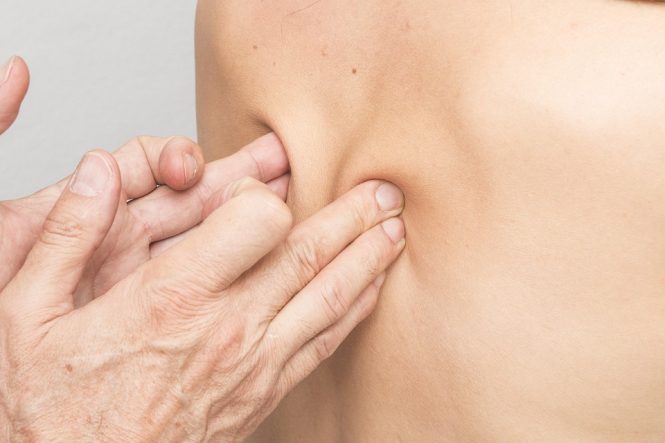
The Art of Massage: Understanding the Different Techniques and Their Applications
Massage therapy is an ancient practice that has been used for centuries to promote relaxation, reduce stress, and alleviate pain. With its rich history and diverse techniques, massage has evolved into a sophisticated art form that can be tailored to meet the unique needs of each individual. In this article, we will delve into the world of massage, exploring the different techniques, their applications, and the benefits they offer.
Types of Massage Techniques
There are numerous massage techniques, each with its own unique characteristics and purposes. Some of the most common techniques include:
- Swedish Massage: This is the most widely practiced form of massage, characterized by long, flowing strokes, kneading, and tapping. Swedish massage is designed to promote relaxation, improve circulation, and reduce muscle tension.
- Deep Tissue Massage: This technique targets the deeper layers of muscle and connective tissue, using slow, deliberate strokes to release tension and adhesions. Deep tissue massage is ideal for individuals with chronic pain, scar tissue, or injuries.
- Sports Massage: This type of massage is designed for athletes and individuals who engage in physical activity. Sports massage helps to prevent injuries, improve performance, and aid in recovery by focusing on specific areas of tension and stress.
- Trigger Point Therapy: This technique involves applying pressure to specific areas of muscle tissue to release tension and alleviate pain. Trigger point therapy is often used to treat conditions such as fibromyalgia, migraines, and sciatica.
- Shiatsu Massage: This Japanese technique uses finger pressure, stretching, and manipulation to balance the body’s energy and promote relaxation. Shiatsu massage is ideal for individuals seeking a holistic approach to wellness.
- Aromatherapy Massage: This technique combines massage with the use of essential oils to promote relaxation, reduce stress, and improve mood. Aromatherapy massage is often used to treat anxiety, depression, and insomnia.
- Hot Stone Massage: This technique involves using heated stones to relax muscles, improve circulation, and reduce tension. Hot stone massage is ideal for individuals seeking a deeply relaxing and rejuvenating experience.
Applications of Massage Techniques
Massage techniques can be applied in various settings, including:
- Clinical Settings: Massage is often used in hospitals, clinics, and rehabilitation centers to aid in the recovery of patients with injuries, illnesses, or chronic conditions.
- Spas and Wellness Centers: Massage is a popular treatment option in spas and wellness centers, where it is used to promote relaxation, reduce stress, and improve overall well-being.
- Athletic Settings: Massage is used in sports medicine to prevent injuries, improve performance, and aid in recovery.
- Private Practice: Massage therapists often work in private practice, offering customized massage sessions to clients seeking relief from stress, pain, or injury.
Benefits of Massage
The benefits of massage are numerous and well-documented. Some of the most significant advantages of massage include:
- Reduced Stress and Anxiety: Massage has been shown to decrease cortisol levels, blood pressure, and heart rate, leading to a state of deep relaxation and reduced stress.
- Pain Relief: Massage can help to alleviate chronic pain, reduce inflammation, and improve range of motion.
- Improved Circulation: Massage helps to improve blood flow, reducing swelling and promoting the delivery of oxygen and nutrients to the muscles.
- Enhanced Athletic Performance: Massage can improve flexibility, reduce muscle soreness, and enhance overall athletic performance.
- Improved Sleep: Massage has been shown to improve sleep quality, duration, and depth, leading to better overall health and well-being.
Conclusion
The art of massage is a complex and multifaceted practice that offers a wide range of techniques and applications. By understanding the different techniques and their benefits, individuals can choose the massage style that best suits their needs and goals. Whether seeking relaxation, pain relief, or improved athletic performance, massage therapy is a valuable tool that can be tailored to meet the unique needs of each individual. As the demand for massage therapy continues to grow, it is essential to recognize the importance of this ancient practice and its potential to promote overall health, wellness, and quality of life.