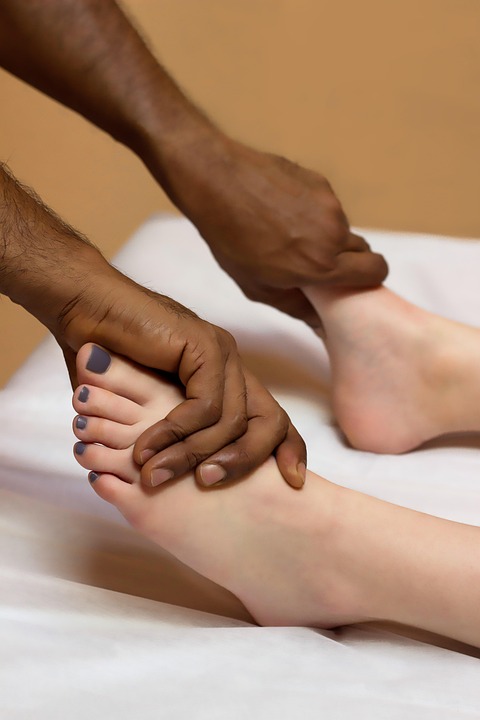
The Massage Effect: Boosting Immune Function and Overall Health Through Bodywork
Massage therapy has long been recognized as a beneficial practice for promoting relaxation, reducing stress, and alleviating pain. However, its benefits extend far beyond these immediate effects, with a significant impact on immune function and overall health. This article delves into the concept of “The Massage Effect,” exploring the ways in which bodywork can bolster the immune system, enhance well-being, and contribute to a healthier, more resilient body.
The Science Behind The Massage Effect
Research has shown that massage therapy can have a profound impact on the immune system, stimulating the production of white blood cells, activating natural killer cells, and increasing the levels of immunoglobulins (antibodies) in the body. This is achieved through the manipulation of soft tissues, which stimulates the release of various neurotransmitters and hormones that play a crucial role in regulating immune function.
One key player in The Massage Effect is the cytokine response. Cytokines are signaling molecules that facilitate communication between immune cells, and massage has been shown to influence their production and activity. By promoting the release of anti-inflammatory cytokines, massage can help mitigate chronic inflammation, a major contributor to various diseases and disorders.
The Physiological Response to Massage
During a massage, the body undergoes a range of physiological changes that contribute to The Massage Effect. These include:
- Decreased cortisol levels: Massage has been shown to reduce cortisol levels, which can help alleviate stress and promote a sense of relaxation.
- Increased parasympathetic activity: The parasympathetic nervous system (PNS) is responsible for promoting relaxation, reducing stress, and conserving energy. Massage can stimulate PNS activity, leading to a range of beneficial effects, including lowered blood pressure and heart rate.
- Enhanced lymphatic drainage: Massage can help stimulate the lymphatic system, which plays a critical role in removing toxins and waste products from the body.
- Release of endorphins and other neurotransmitters: Massage can stimulate the release of endorphins, dopamine, and serotonin, which can help regulate mood, reduce pain, and promote a sense of well-being.
The Benefits of The Massage Effect
The Massage Effect has a wide range of benefits, including:
- Boosted immune function: By stimulating the production of white blood cells and activating natural killer cells, massage can help the body fight off infections and diseases.
- Reduced inflammation: Massage can help mitigate chronic inflammation, which is associated with various diseases, including arthritis, diabetes, and cardiovascular disease.
- Improved sleep: Massage can help promote relaxation, reduce stress, and improve sleep quality, which is essential for overall health and well-being.
- Enhanced athletic performance: Massage can help reduce muscle soreness, improve flexibility, and promote recovery after exercise, making it an essential tool for athletes and fitness enthusiasts.
- Reduced stress and anxiety: Massage can help alleviate stress and anxiety by promoting relaxation, reducing cortisol levels, and stimulating the release of neurotransmitters that regulate mood.
Incorporating Massage into Your Wellness Routine
Incorporating massage into your wellness routine can be simple and accessible. Here are some tips:
- Find a qualified massage therapist: Look for a licensed massage therapist who has experience working with clients with your specific needs and concerns.
- Schedule regular sessions: Aim to receive massage therapy on a regular basis, whether it’s weekly, biweekly, or monthly, to experience the cumulative benefits of The Massage Effect.
- Practice self-massage techniques: Learn simple self-massage techniques, such as foam rolling or self-myofascial release, to promote relaxation and reduce muscle tension.
- Combine massage with other wellness practices: Combine massage with other wellness practices, such as meditation, yoga, or acupuncture, to enhance its benefits and promote overall well-being.
Conclusion
The Massage Effect is a powerful phenomenon that highlights the intricate relationship between bodywork, immune function, and overall health. By stimulating the production of white blood cells, reducing inflammation, and promoting relaxation, massage therapy can have a profound impact on our well-being, making it an essential tool for maintaining a healthy, resilient body. Whether you’re looking to boost your immune function, reduce stress and anxiety, or enhance your athletic performance, incorporating massage into your wellness routine can have a lasting, positive impact on your overall health and quality of life.