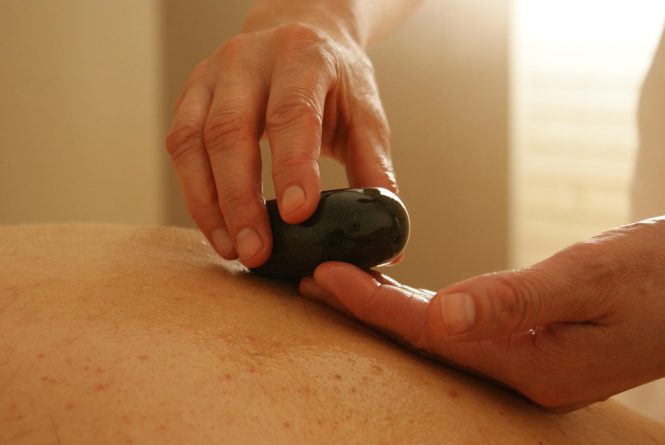
The Future of Massage: Trends, Technology, and Innovation
The world of massage is undergoing a significant transformation, driven by advances in technology, changing consumer preferences, and the growing recognition of the importance of wellness and self-care. As we look to the future, it’s clear that the massage industry will continue to evolve, incorporating innovative trends, technologies, and techniques to enhance the massage experience.
Trends Shaping the Future of Massage
- Personalization: With the rise of personalized medicine and tailored wellness programs, massage therapists are increasingly using data and analytics to create customized massage experiences that cater to individual needs and preferences.
- Integration with Other Therapies: Massage is being combined with other therapies, such as acupuncture, meditation, and yoga, to create holistic wellness programs that address physical, mental, and emotional well-being.
- Increased Focus on Mental Health: Massage is being recognized as a valuable tool for mental health, with many therapists incorporating techniques specifically designed to reduce stress, anxiety, and depression.
- Growing Demand for Mobile and Online Services: With the rise of the gig economy and increasing demand for convenience, mobile massage services and online booking platforms are becoming increasingly popular.
Technological Advancements in Massage
- Massage Chairs and Tables with Advanced Features: Modern massage chairs and tables are equipped with advanced features such as heat, vibration, and zero-gravity positioning, providing a more immersive and relaxing experience.
- Robotics and Artificial Intelligence: Robotics and AI are being used to develop automated massage systems that can mimic the techniques of human massage therapists, offering a consistent and high-quality experience.
- Virtual and Augmented Reality: Virtual and augmented reality technologies are being explored for their potential to enhance the massage experience, providing immersive and interactive environments that promote relaxation and stress relief.
- Wearable Technology and Biosensors: Wearable devices and biosensors are being used to track physiological responses to massage, providing valuable insights into the effectiveness of different techniques and modalities.
Innovations in Massage Techniques and Training
- Myofascial Release and Other Specialized Techniques: Massage therapists are increasingly incorporating specialized techniques, such as myofascial release and lymphatic drainage, into their practice to address specific health concerns.
- Energy-Based Modalities: Energy-based modalities, such as Reiki and qigong, are being integrated into massage practice to promote balance and harmony in the body.
- Continuing Education and Certification Programs: The development of continuing education and certification programs is ensuring that massage therapists stay up-to-date with the latest techniques, research, and industry developments.
- Interdisciplinary Collaboration: Massage therapists are collaborating with other healthcare professionals, such as physical therapists and psychologists, to develop comprehensive treatment plans that address the whole person.
The Future of Massage: Opportunities and Challenges
As the massage industry continues to evolve, there are both opportunities and challenges on the horizon. Some of the key opportunities include:
- Increased recognition of the importance of massage for overall health and wellness
- Growing demand for personalized and holistic wellness programs
- Advancements in technology and innovation that enhance the massage experience
However, there are also challenges to be addressed, such as:
- Ensuring that technological advancements complement the human touch and do not replace it
- Maintaining the integrity and quality of massage practice in the face of increasing demand and competition
- Addressing the need for standardized training and certification programs to ensure consistency and excellence in massage practice
In conclusion, the future of massage is exciting and dynamic, with trends, technology, and innovation converging to create a more personalized, holistic, and effective massage experience. As the industry continues to evolve, it’s essential that massage therapists, educators, and innovators work together to ensure that the benefits of massage are accessible to all, while maintaining the integrity and quality of this ancient and evolving practice.